
Recycling Plastics- What They Don’t Teach You..
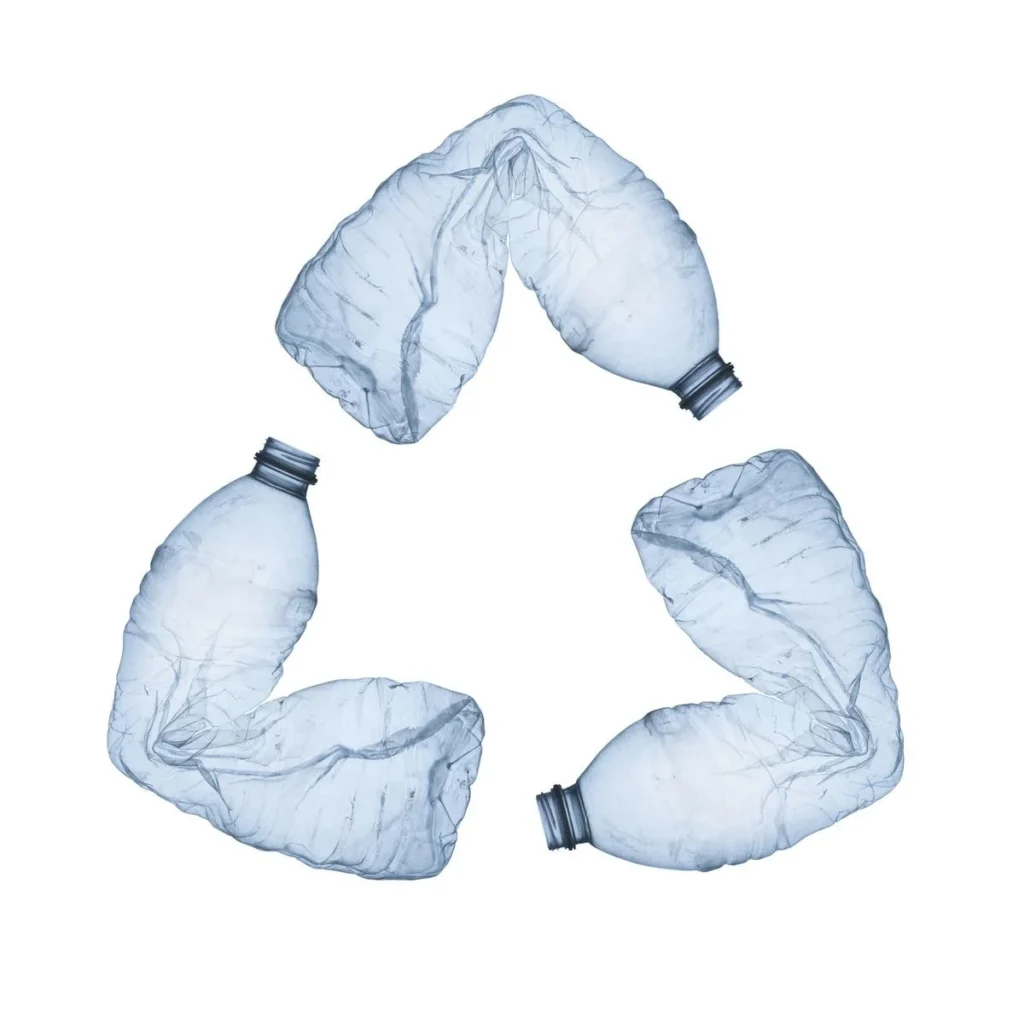
Paper, Glass and Plastic ?
We were all taught at a young age the basics of recycling. As important it is to recycle, it’s important to know how to recycle. While most paper and glass are recyclable, we can’t say the same thing about plastic.
Here I will be discussing the different types of plastics that are safe for recycling, and how we can properly dispose of them.
Crack the Code
As I’m sure a lot of you are, I was very surprised to find out that there are certain plastics that cannot be reused into recycled material. Once its purpose is fulfilled, its next inevitable duty is to turn into harmful microplastics. Not to fear, I’m here to show you what plastics are safe to recycle and therefore, acceptable for use when necessary.
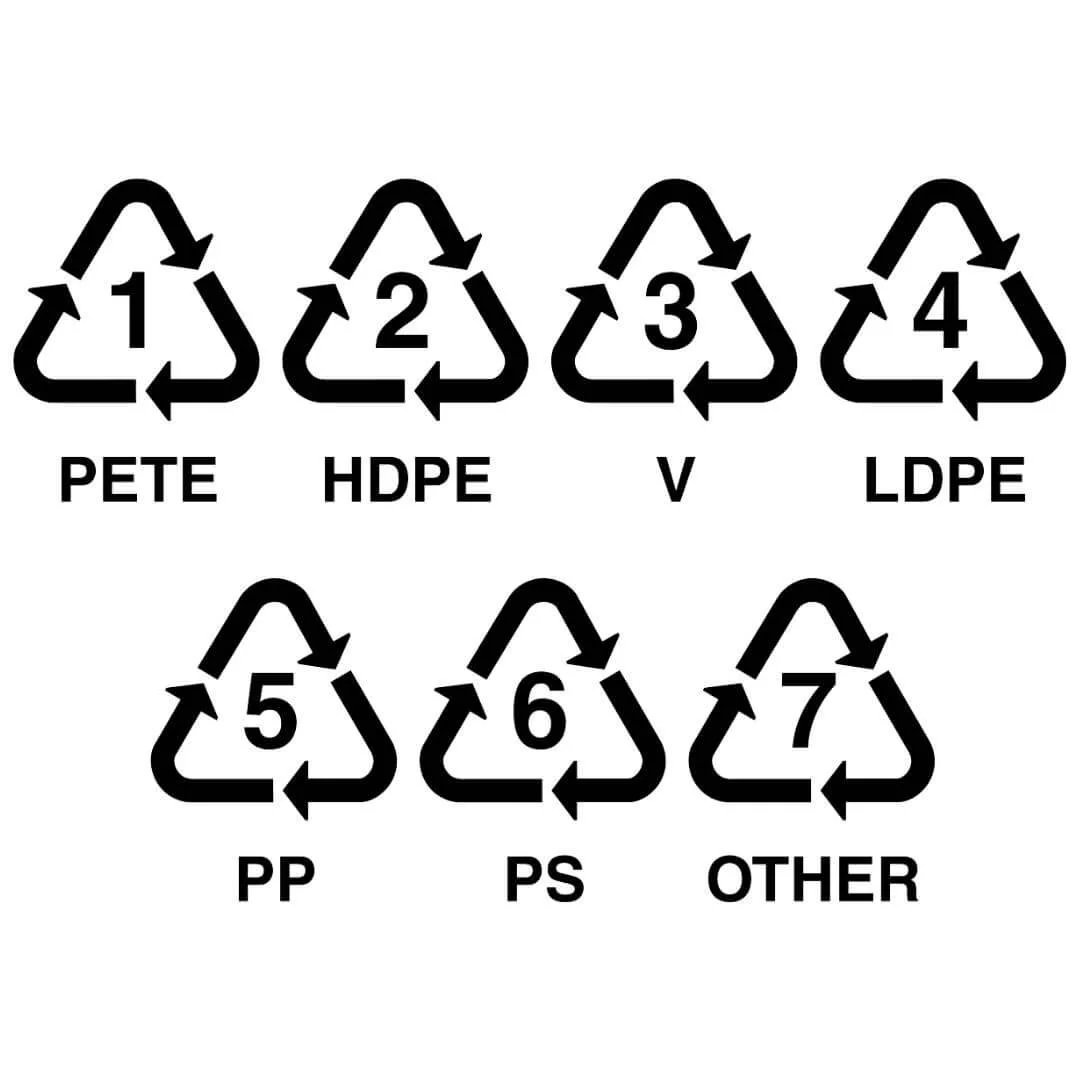
All recyclable plastics have numbers and abbreviations for identifying what type of plastic it is and how it can be recycled. A little golden rule, if you don’t see the code, it’s not reusable.
Recycling In Your Neighborhood
It’s important to understand your city’s recycling laws and what specifically they do and don’t accept. In Orlando, there are specific requests for when you recycle. And since we are not the ones sorting through others trash, we are going to make their jobs easy and follow those requests.
Click Here For Recycling In Orlando
Meet The Plastics
-
PETE (Recycling Code 1)
Stands for “Polyethylene Terephthalate.” This plastic is commonly used for water/soda bottles and other food packaging.
-
HDPE (Recycling Code 2)
Stands for High-Density Polyethylene. This is the hard plastic that you find with milk cartons, laundry detergent and cleaning products.
-
PVC/V (Recycling Code 3)
Stands for Polyvinyl Chloride. This plastic is usually found in construction pipes, and other packaging methods.
-
LDPE/LLDPE (Recycling Code 4)
Stands for (Linear) Low Density Polyethylene. This flexible plastic is commonly found used as bubble wrap. Sometimes it’s even used in food packaging to prevent spoilage.
-
PP (Recycling Code 5)
Stands for Polypropylene. This is commonly seen in storage containers, straws, bottle caps, and hangers.
-
PS (Recycling Code 6)
Stands for Polystyrene. This is the plastic you find in plastic utensils, solo cups, take away containers, and egg cartons.
-
Other (Recycling Code 7)
This code is for all miscellaneous plastics. Any plastic that doesn’t necessarily fit into a category, but can be recycled nonetheless, will be placed under this category.
Plastic
Bottles and containers. Empty and clean, caps stay on.
Glass
Bottles and jars. Empty and clean, remove lids. Metal
Aluminum, steel and tin cans. Empty and clean.
Cardboard
Flattened boxes
Paper
Newspapers, paper bags, junk mail, sheets of paper and drink cartons.
Do not include:
* Food waste
* Plastic bags
* Polystyrene foam cups and containers * Aluminum food pans
Plastic bags harm recycling machinery, empty the recycling directly into the cart.
Classic Not Plastic
With all this being said, we are still antiplastic. As much as I advise us all to consume and use reusable materials, I am not naïve in understanding we live in a plastic-dependent world. However, it takes a collective effort to make a difference.
Conclusions
If we are going to use plastics, let’s all do Mother Earth a favor and choose the reusable option. With time, we can eliminate the use of single-use plastics, and perhaps even find an ecofriendly plastic substitute.
Keep reading
Stay connected on new topics and upcoming events
New writing when it lands, plus beach cleanups and market dates.
Follow along on Instagram