Marinelife In Captivity
We’ve known animals in captivity since we were children, exploring our curiosities in zoos and theme parks. The beauty of being right next to a wild animal is indescribable, but not a human right by any means.
Millions of animals are kept in captivity, including over 800,000 animals that are accounted for by the Association of Zoos and Aquariums (AZA). Of the 240 AZA facilities, 54% are non-profit, 34% are public, and 11% are for profit. While 100 million animals are traded worldwide each year, in Europe alone, up to 5,000 zoo animals are killed per year. Majority of animals who are brought into captivity will live and die in captivity.
There are many arguments that zoos are a perfect way to keep endangered animals from going extinct, and to that I say: if they can only survive in captivity, they’re already extinct. Many zoos focus on the monetary side of the business, easily losing sight of the live, sensitive creatures behind those gates. The ones I specifically want to dive into, are the animals who are forgotten in the closure of these facilities.
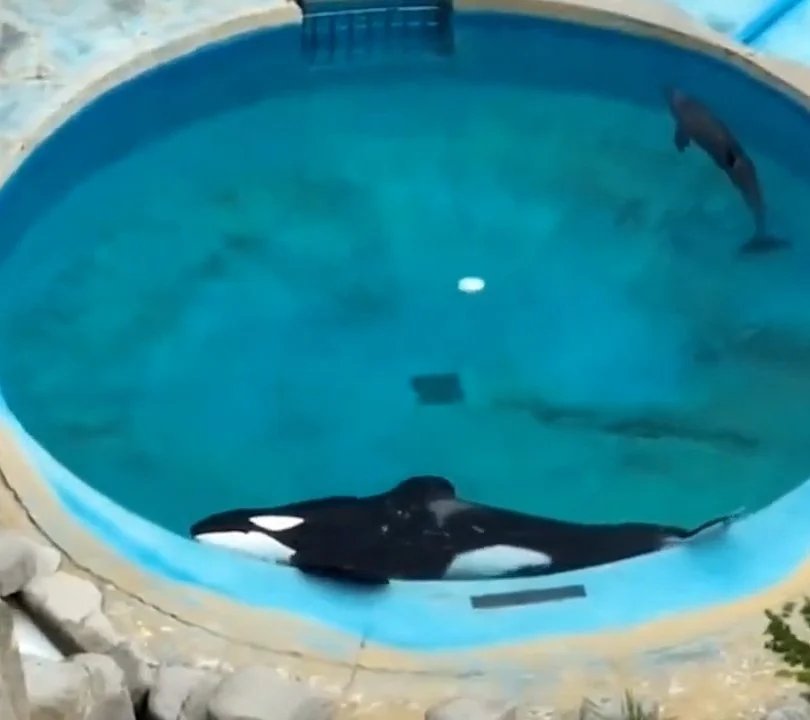
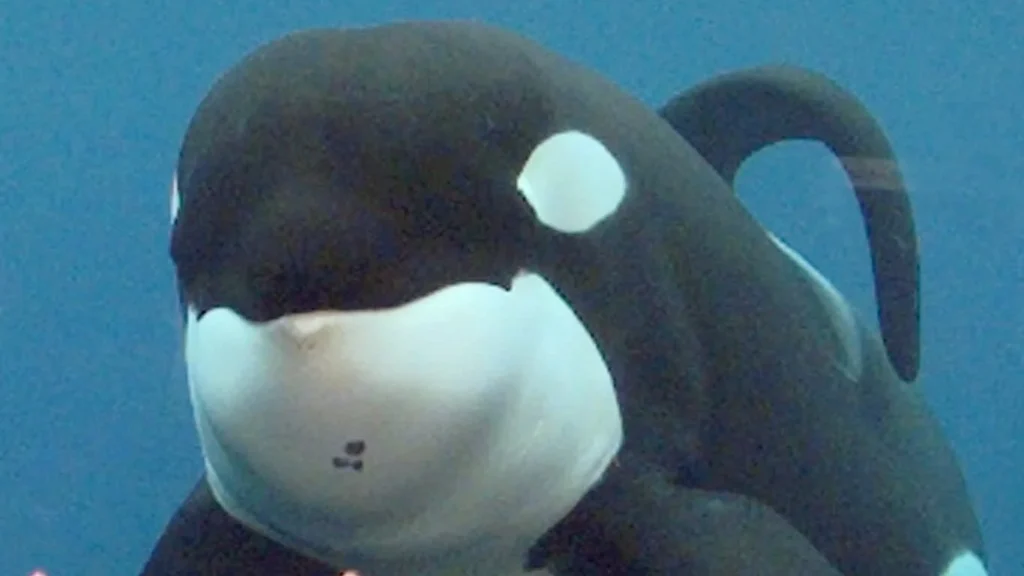
Kshamenk, a 36 year old Orca whale, who was 3 when found stranded in shallow waters. He was transferred over to Mundo Marino, an aquatic theme park in Argentina, and has been isolated from his own species to this day. (sidenote: Mundo Marino was already known for forcing strandings in order to capture animals for their own gain) Kshamenk was first placed in a small tank with another orca, Belen, who was 12 years old, and has been in the park for the majority of her own life. Mundo Marino had the two whales mate, bringing Belen to give birth to a stillborn, likely due to the massive stress brought from the cruelness of their captivity. In 2000, Belen passed away, leaving Kshamenk to circle around his tank alone for decades to come. Orcas are wanderers and are able to travel up to 100 miles a day- Kshamenk’s back is permanently curved inwards because his tank is too small for his own size, let alone a whole other orca whale. Most times he is seen floating in one spot for up to 24 hours.
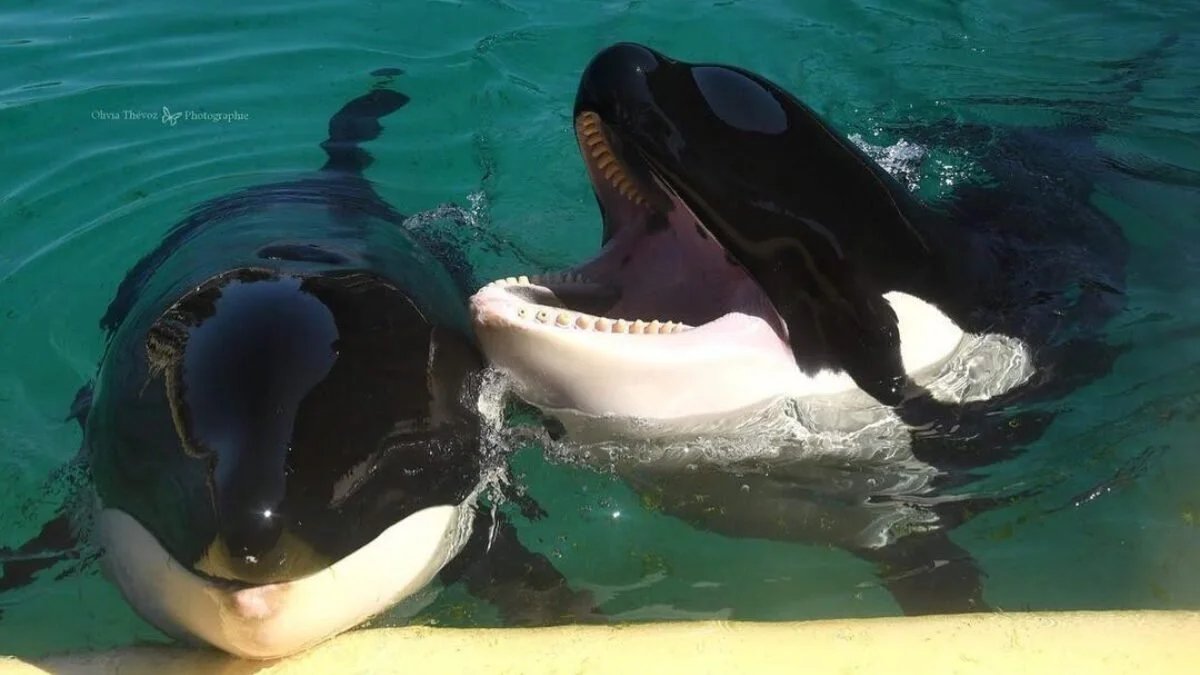
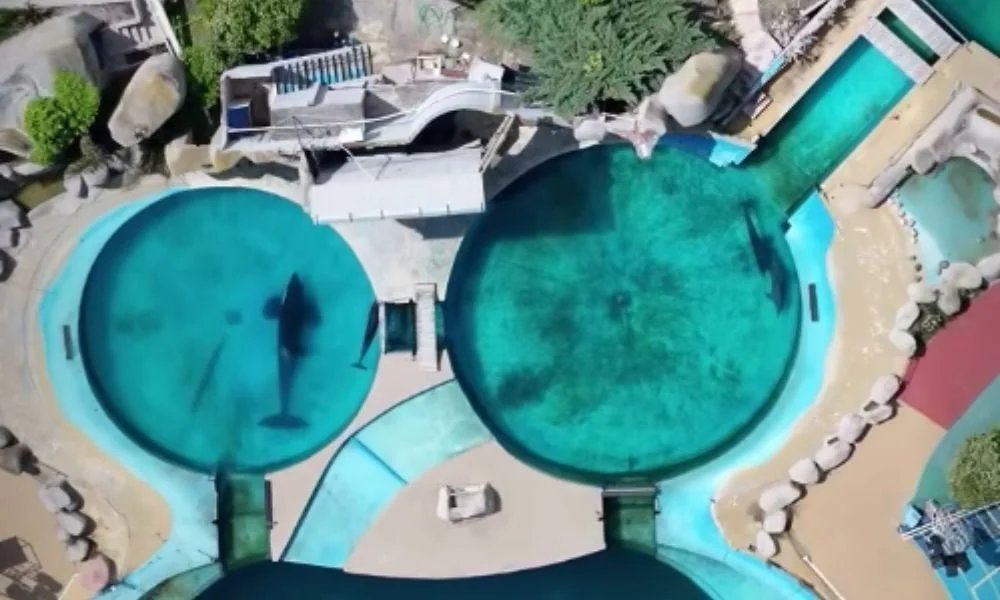
Wikie and her son Keijo have never known the ocean. Held captive in a concrete tank in France, Wikie (23) and Keijo (11) are the remaining survivors of their original family of four. They are currently being held in Marineland of Antibes, they are the only orcas that remain in captivity in France, after implementing laws banning marine mammal captivity in 2020. The whales were originally scheduled to be transferred to the SeaWorld in Japan, where they would remain in an even smaller tank, but that soon fell through after the uproar from activists and scientists suggesting otherwise. Their final decision is still pending, but the French government is taking into strong consideration where the whales go, to ensure proper care and habitation, as well as ensuring there will be no further breeding from either.
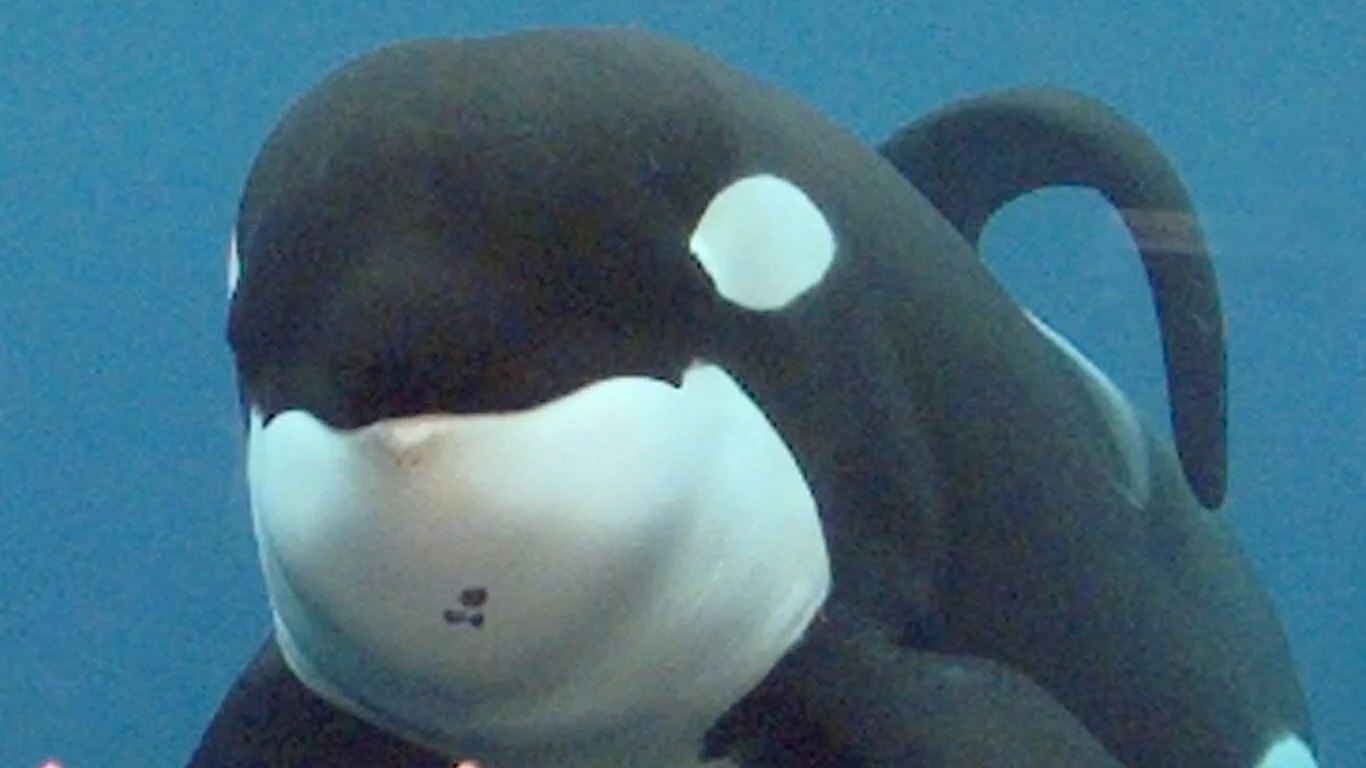
The passion behind freeing these majestic creatures has gone on for so long, it’s surprising we are still fighting the battle that began in 1961, when the first ocra, Wanda, was captured in Newport Beach, California. So, why can’t we just put them all back in the ocean? Unfortunately, once the damage is done from the capture and containment, it’s really difficult to reverse those traumas. The perfect example is Keiko the Orca, the inspiration for the movie ‘Free Willy.’ Keiko was found in Iceland at 2 years old when he was captured and transferred to Marineland Canada only to be sold and brought to another marine theme park in Mexico City 3 years later. Keiko’s tank was too small and way too warm for any form of proper care, leading to his health rapidly declining for the next 14 years of his captivity.
While Keiko was stuck in his tank, Warner Bros began the production for the movie ‘Free Willy,’ which portrayed a boy working towards freeing a captive orca. The filmmakers were even able to get content of Keiko in his tank, which made its way into the movie. After the release of the movie, it became a worldwide goal to free and release Keiko back into the ocean. For years, scientists and specialists trained and worked with Keiko, preparing him for his release day back into the ocean. On September 9, 1998, Keiko was transferred back up to Iceland and placed in a specialized sea pen, where he would acclimate and surveyed and soon be released to swim openly. By 2002, Keiko was often out swimming on his own or in the company of other orcas, hunting his own food with no human support or substitutions. On December 12, 2003, Keiko was reported to be found dead in Norway, likely caused by pneumonia. Keiko died at age 27, while male orcas are known to live 35-50+ years. As of now, Keiko remains to be the only orca that was given the chance of freedom from captivity.
So, if we can’t free the animals in captivity without guaranteeing their survival, what do we do?
Stop putting animals in captivity… I understand that’s a vague answer, but it’s true. There are movements we can make in order to ensure a decline in kidnapping animals for human entertainment. In the time the Keiko was rescued and rehabbed back to health, 17 captive orcas died, along with multiple other dolphins and whales. SeaWorld spoke out strongly against the entire rescue, yet lost 8 orcas during Keiko’s rescue, and 53 total during their 52 year reign. Not good odds…
The reason why these facilities are still running is because of the high demand that we, the people, create for them. Every time someone purchases a ticket to go to the zoo, that is creating the demand for more animals to be removed from their habitats, just so you have something to look at on your Saturday morning. Rather than going to the closest zoo or theme park, research sanctuaries and rescues that also allow you to visit animals that are held for recovery. All it takes is a little research and self control in order to make a true difference in ending captivity. Supporting sanctuaries can only benefit the facilities whose only goal is to help animals who were wronged by human greed.
Want to do more? Me too, and that’s where it gets a little tricky.
Of course, there are so many other ways we can support ending captivity, from donating to nonprofits, to boycotting companies that are known for animal cruelty. Below I’ve conjured up a list of a few ways we can ensure the safety of those animals doomed to captivity.
-
Animal Friendly Tourism-
-
Opt out for roadside zoos and animal attractions, they’re most likely not there in the animal’s interest.
-
Say no to holding animals for photo opportunities, or any form of physical interaction. These animals were taken at a very young age to be trained for moments as such.
-
Avoid riding animals such as elephants, camels and even horses. These animals are often not cared for properly, and use poor equipment, causing physical harm and damage. Always question and research the ethics and handling of these animals behind closed doors.
-
Do not consume animal made products such as teeth, bones and even seashells. Most times these products are not ethically sourced and result in damaged habitats and physical trauma.
-
Say No to Palm Oil-
-
Palm oil is in almost everything we use, from food to toiletries. Bread, biscuits, shampoo, conditioner are all just some examples of our everyday items that contain palm oil.
-
Habitats are being destroyed in Southeast Asian rainforests (often illegally) just to make way for Palm Oil Plantations. Not only is this causing a spike in our Climate Change issue, but this is hurting millions of species that live in those rainforests.
-
Check your products for palm oil, and search for alternatives. You can even do extra research and see if your product contains palm oil that was ethically sourced out or not.
-
Spread The Word-
-
David Attenborough emphasizes that “if children don’t grow up with an understanding and appreciation of nature, they won’t understand it, and if they don’t understand it, they won’t protect it.”
-
Educate your friends and family about the issues, and educate them on the importance of taking a stand and acting accordingly. We are stronger in numbers, we create the demand.
-
Contact your government officials and representatives. Tell them where you stand and find out who else you need to go to in order to see a change.
Ignorance is bliss, but Knowledge is Power.
Keep reading
Stay connected on new topics and upcoming events
New writing when it lands, plus beach cleanups and market dates.
Follow along on Instagram